Visiting Mount Teide from Costa Adeje: A Local’s 2026 Guide (Cable Car, Best Stops & the Summit)

Local Tenerife Guide · Written in Costa Adeje · Updated 2026
Visiting Mount Teide from Costa Adeje: A Local’s 2026 Guide (Cable Car, Best Stops & the Summit)
I live in Costa Adeje and drive up to Teide most months of the year. This is the guide I wish visitors had before they set off — the stops most coach tours skip, what the cable car really costs in 2026, the free summit permit almost nobody books in time, and how to time your day around the cloud that rolls in from the north every afternoon.

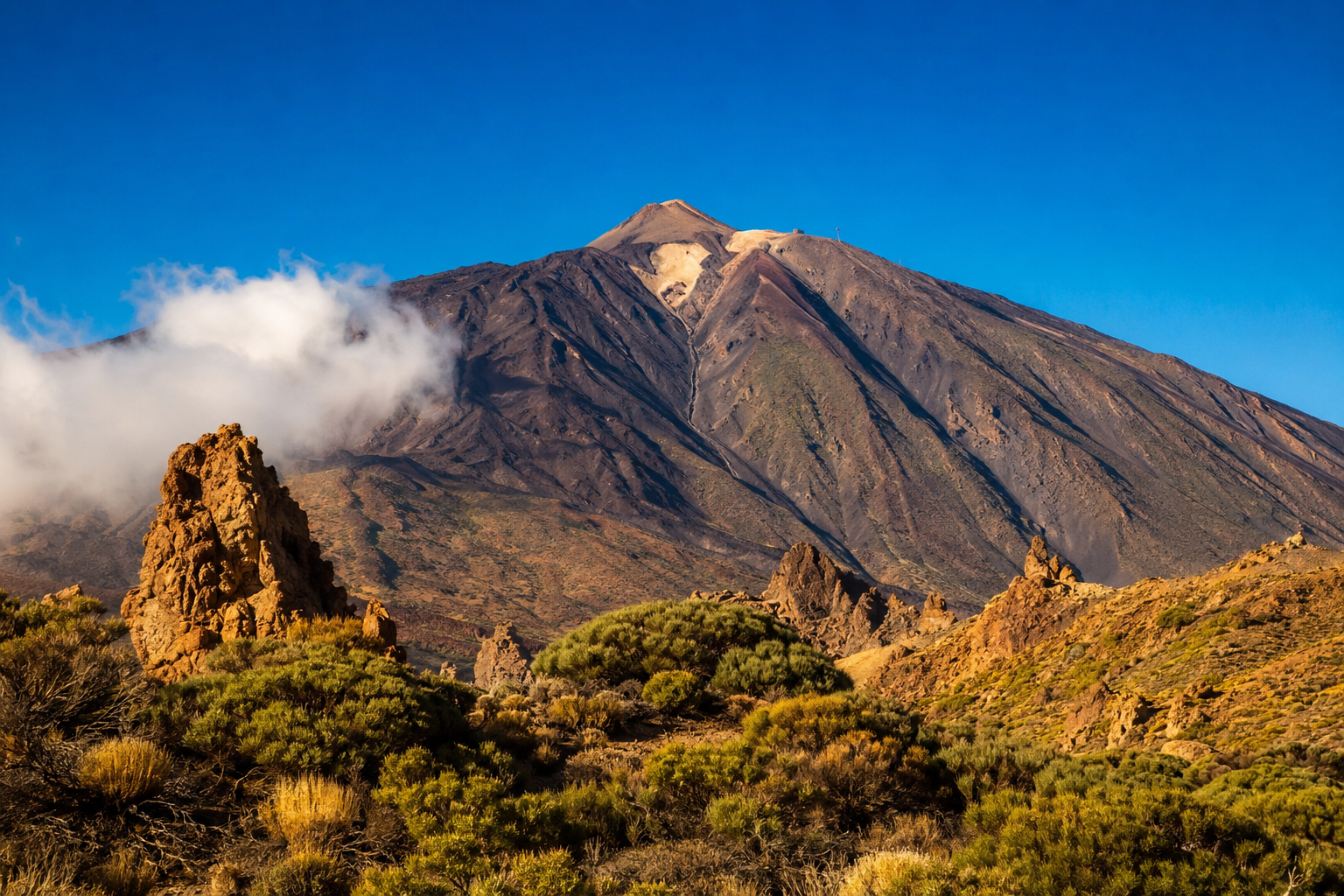
If you’re staying in the south — Costa Adeje, Playa de las Américas, Los Cristianos — Mount Teide is the one day trip I’d never tell a visitor to skip. At 3,715 metres, Teide is the highest mountain in Spain and, measured from its base on the Atlantic seabed, the third-largest volcano on Earth. The national park around it became a UNESCO World Heritage Site in 2007, and the drive up feels less like Spain and more like landing on another planet.
Most guides to Teide are written by people who’ve never been. This one isn’t. Below you’ll find exactly how to reach it from the south, what to see on the way up, the honest truth about the cable car and the summit, and when to go for the clearest skies. And if you’d rather not deal with the winding roads and the timing at all, our private Teide National Park tour takes care of the driving, the stops and the local know-how for you.
Mount Teide at a glance
- Height3,715 m — highest peak in Spain
- StatusUNESCO World Heritage Site (2007)
- Cable car top stationLa Rambleta — 3,555 m
- Ride time~8 minutes each way
- From Costa AdejeRoughly 1 hour by road
- Summit accessFree permit required (book ahead)
Why Mount Teide is unmissable
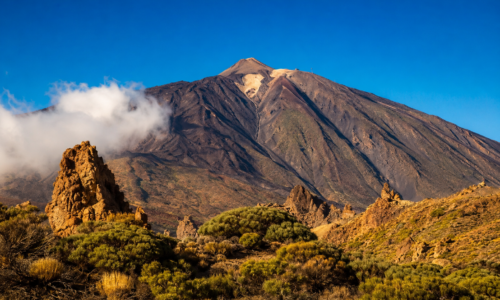
Most people picture Tenerife as beaches and resorts. Teide is the opposite of that. As you climb from the coast, banana plantations give way to pine forest, then to a vast crater floor called Las Cañadas, littered with lava fields, twisted rock formations and mineral colours you don’t expect to see in Europe. Film crews use it as a stand-in for Mars, and once you’re standing in it you’ll understand why.
The volcano is still considered active, though it hasn’t erupted since 1909. What makes it special today is the combination of things you can do in a single day: ride a cable car to over 3,500 metres, walk trails with views across three or four other Canary Islands, and — after dark — sit under some of the clearest skies in the northern hemisphere.
Getting to Teide from the south of Tenerife
From the resort areas of Costa Adeje, Playa de las Américas and Los Cristianos, the drive up to the national park takes around an hour via the TF-21 or TF-38. It’s a genuinely beautiful road, but it’s also winding, high-altitude and often busy with coaches, so it demands your full attention rather than the scenery.
You have three realistic options:
- Hire car and drive yourself — the most flexible, but you’ll spend the day concentrating on hairpin bends instead of the view, and the summit cable car car park fills early.
- Large coach excursion — cheap, but rigid timings, a big group, and you see the park on someone else’s schedule.
- Private driver-guide — you get the flexibility of a car without the driving, plus someone who knows exactly where and when to stop for the best light.
What about public buses? There is one direct option from the south: TITSA line 342, which runs from Costa Adeje bus station up through Vilaflor to El Portillo and the cable car. From the north, line 348 covers the same park from Puerto de la Cruz. Two things catch people out, though: these tourist lines only run on certain days (typically Fridays, weekends and public holidays), the fare is full-price and cash only, and there’s just one bus up and one back — miss the return and you’re stranded at altitude. For most visitors it’s more stressful than it’s worth.
The best stops on the drive up (that most coach tours skip)
Here’s where local knowledge earns its keep. The road to the summit isn’t just a means to an end — the crater floor is the best part, and if you blast straight to the cable car you miss it. These are the stops I always make, roughly in the order you’ll reach them coming from the south:
- Vilaflor — the highest village in Spain, wrapped in the tallest Canary pines on the island. A good place to catch your breath and grab a coffee before the landscape turns lunar.
- Boca Tauce — the dramatic moment the road drops into the crater and black lava flows meet red-and-ochre rock. Your first proper “we’re not in a resort anymore” view.
- Llano de Ucanca — a vast, flat plain of pale sediment ringed by cliffs. It’s been used as a film set more than once, and in the right light it’s unreal.
- Roques de García & the Mirador de la Ruleta — the most photographed spot in the park, and rightly so. The lone twisted rock here, Roque Cinchado, was famous enough to feature on Spain’s old 1,000-peseta note, framed against the peak.
- Minas de San José — the ochre-and-cream pumice plains that look uncannily like the surface of Mars. Fewer coaches stop here; it’s one of my favourites.
- Parador de las Cañadas del Teide — the only hotel inside the park, and a reliable spot for lunch or a warm drink with the peak right in front of you. Staying the night here is also the secret to sunrise and stargazing without a late drive home.

The Teide cable car: prices and what you actually see
The Teleférico del Teide is the easy way up. Cabins climb from the base station at 2,356 m to the upper station, La Rambleta, at 3,555 m — a vertical gain of 1,199 metres in under eight minutes. From the top you get sweeping views over the crater, the island’s coastline and, on clear days, the neighbouring islands of La Gomera, La Palma and El Hierro.
For 2026, a one-way ticket for a non-resident adult starts from around €23.50, with return tickets priced higher. Prices and timetables change seasonally, so always confirm on the official operator’s site before you travel. The cable car also closes at short notice in high winds — it depends entirely on the weather, which is exactly why a flexible, guided visit pays off.
Two free walking trails start from the top station and are well worth the extra half hour:
- La Fortaleza viewpoint — looks north over the green side of the island.
- Pico Viejo viewpoint — overlooks an 800-metre-wide crater and the dramatic south of Tenerife.
Reaching the real summit — the permit nobody mentions
Here’s the detail most visitors only discover once they’re at the top: the cable car does not take you to the actual peak. La Rambleta sits about 160 metres below the summit, and the final stretch up the Telesforo Bravo trail (path No. 10) to the crater rim is restricted to protect the site.
To walk that last section you need a free permit from Teide National Park, booked in advance through the official reservation system. Demand is high and daily numbers are capped, so slots for summer often go weeks ahead. It costs nothing, but you cannot buy it on the day — plan it before you fly out.
Altitude: what to actually expect at 3,555 m
You go from sea level to over 3,500 metres in a matter of hours, and the cable car covers the last 1,200 of those in eight minutes. That’s a fast climb, and some people feel it — mild breathlessness, a light head or a slight headache are common at the top and usually pass quickly. Take the walking trails slowly, drink plenty of water, and don’t be surprised if a gentle stroll feels harder than it would at the coast.
It’s generally fine for most visitors, but if you have a serious heart or lung condition, or you’re pregnant, it’s worth a word with your doctor before you plan the cable car. The air is thinner and colder up there than the beach ever hints at.
Stargazing on Teide: one of the world’s best night skies
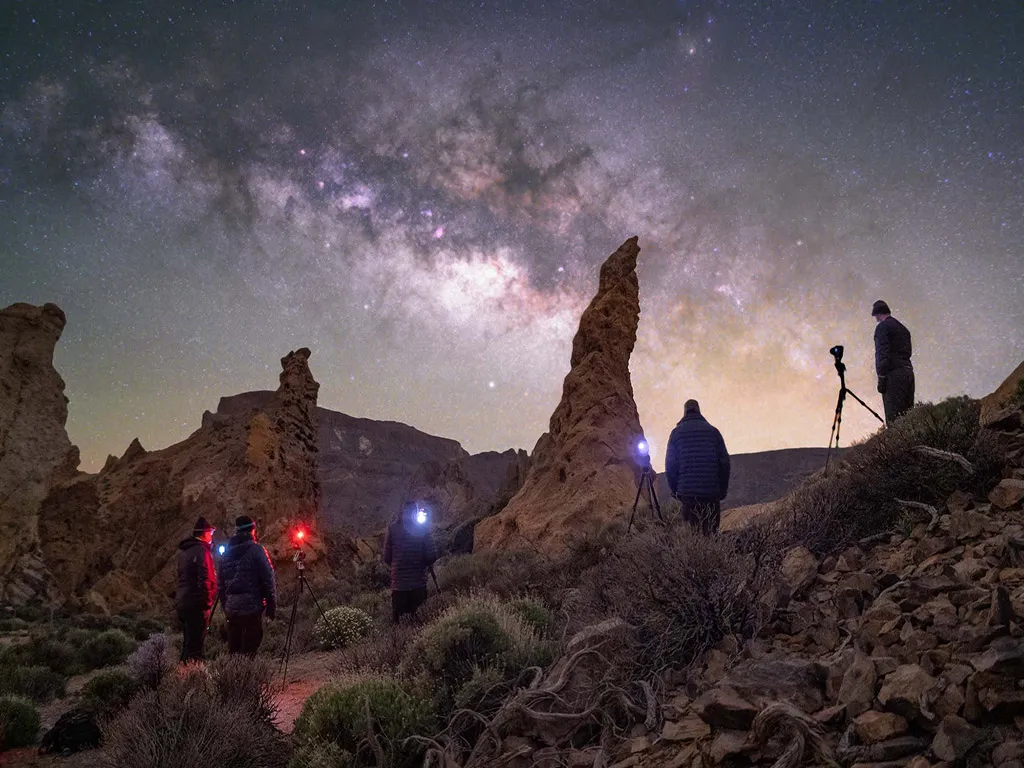
Teide National Park is a designated Starlight Reserve, and the slopes are home to the Teide Observatory — one of the reasons astronomers from around the world come to Tenerife. At altitude, above much of the island’s cloud and light pollution, the Milky Way is often visible to the naked eye.
Sunset from the crater floor, followed by stargazing as the temperature drops, is for many people the highlight of the whole trip. Bring far more warm clothing than you think you’ll need — it can fall below freezing after dark even in summer.
How much time do you need at Teide?
If you just want to ride the cable car and turn around, you could do it in half a day from the south. But that misses the point. To actually enjoy the crater — the stops on the way up, the cable car, a relaxed lunch and the walking trails — give it a full day. If you’re building in sunset and stargazing, plan a long day or an overnight at the Parador, since the drive home in the dark is long and cold after a full day out.
When to go and what to pack
Teide is a year-round destination, but conditions at 3,500 metres are nothing like the beach. Spring and autumn tend to offer the mildest weather and clearest skies. Winter can bring snow to the summit — beautiful, but the cable car and roads may close. Whatever the season, the golden rule is the same: dress for a mountain, not a resort.
- Warm layers and a windproof jacket — the summit is far colder than the coast.
- Proper footwear if you plan to walk any of the trails.
- High-factor sun cream and sunglasses — UV is intense at altitude.
- Water and a light snack; facilities up top are limited.
Combine Teide with the rest of Tenerife
Teide pairs beautifully with the island’s other landscapes, and doing it in one well-planned trip beats rushing between separate excursions. If the volcano is the centrepiece of your visit, consider building a day around the north or west of the island too.
To see Teide alongside the ancient laurel forests, cliffs and hidden villages of the UNESCO-listed north, our Northern Tenerife Discovery Tour is the natural companion — misty green scenery that couldn’t be more different from the volcanic crater. And if you’re drawn to Tenerife’s most dramatic coastline, the Masca and Los Gigantes private tour takes in the famous village hidden in a gorge and the towering sea cliffs of the west.
See Teide the easy way
Skip the driving, the queues and the guesswork. Our private, small-group Teide tour is timed around the best light and tailored to you — with hotel pick-up from the south of Tenerife.
View the Private Teide TourMount Teide FAQ
How high is Mount Teide?
Mount Teide is 3,715 metres high, making it the highest peak in Spain and the highest point in the Atlantic. Measured from its base on the ocean floor, it’s the third-largest volcano in the world.
Do you need a permit to reach the summit of Teide?
Yes. The cable car takes you to 3,555 m, but the final ~160 m up the Telesforo Bravo trail to the crater requires a free permit from Teide National Park. It must be booked in advance through the official reservation system, as daily numbers are limited and slots fill quickly in peak season.
How much does the Teide cable car cost in 2026?
In 2026, a one-way ticket for a non-resident adult starts from around €23.50, with return tickets higher. Prices vary by season, so check the official operator before you travel. Note the cable car can close at short notice in strong winds.
Can you see the top of Teide without hiking?
Yes. The cable car carries you to La Rambleta at 3,555 m in about eight minutes, and two free trails from the top station lead to the La Fortaleza and Pico Viejo viewpoints. Only the final climb to the crater rim itself requires walking with a permit.
What should I wear to visit Mount Teide?
Dress for a mountain, not a beach. Bring warm layers and a windproof jacket — it’s far colder at altitude and can drop below freezing after dark, even in summer. Add sun cream, sunglasses and sturdy footwear for the trails.
How do you get to Teide from Costa Adeje?
It’s about an hour by road from the south via the TF-21 or TF-38 — beautiful but winding. You can self-drive, take TITSA bus 342 (which only runs on certain days, cash only, with a single bus each way), or join a private tour that handles the driving and timing for you.
How long do you need at Mount Teide?
Allow a full day to enjoy the drive up, the cable car, lunch and the trails. A quick cable-car-only visit can be done in half a day, but you’ll miss the crater’s best stops. For sunset and stargazing, plan a long day or an overnight at the Parador inside the park.
Is Mount Teide worth visiting?
Absolutely. It’s a UNESCO World Heritage Site with an otherworldly volcanic landscape, panoramic views across several Canary Islands, and one of the clearest night skies in the northern hemisphere. For most visitors it’s the single most memorable day of their Tenerife trip.